Historic houses seldom whisper. They creak, they settle, they announce the weather. The roof carries much of that story. It holds together original framing that predates modern codes, layers of old repairs, and the patina that makes a period home feel authentic. Replacing or restoring that roof is not a standard trade call. You are choosing someone to navigate architecture, artifacts, and expectations that stretch a century or more. The right roofing contractor protects not only the building, but also its character and market value.
I have stood in attics where the rafters were hand-hewn, where daylight stitched through cedar shakes into thin stripes on the floorboards. I have also watched hurried crews rip off slate with shovels, sending tens of thousands of dollars in salvage value into a dumpster. The difference is almost always the contractor. Skill matters, but so does patience, documentation, and the willingness to adapt methods to materials that behave differently from asphalt shingles. If you own a historic home, you need someone who understands that the roof is a system, not a surface.
What makes a historic roof different
A typical suburban roof is a predictable sandwich: decking, underlayment, shingles, flashing. A Victorian, Tudor, Craftsman, or Greek Revival may share those layers in principle, yet each layer reflects techniques and tolerances from another era. Decking could be 1x planks with gaps the width of a finger. Underlayment might be rosin paper, felt, or nothing at all. Rafters can be true-dimension, irregular sizes, or spaced farther than modern practice. Entire sections may have been rebuilt after a 1950s storm or a 1980s renovation. All of it influences how a roof installation or roof repair should proceed.
Materials change the equation too. Slate, clay, wood shakes, standing seam copper or terne, and cement tile each move with heat and moisture in distinctive ways. They have specific fasteners, substrate needs, weights, and flashing details that modern crews sometimes guess at rather than know. Slate, for instance, expects copper or stainless steel nails and careful layout to avoid breaking stone at the nail hole. Cedar prefers to breathe. Copper hates dissimilar metals. These details are not trivia, they drive longevity and aesthetic accuracy.
Historic districts add regulatory layers. Even outside formal districts, insurance companies, lenders, and appraisers read roofs as signals. A correctly maintained or restored original roof can add measurable value and reduce long term costs. A wrong material, color, or texture can flatten a facade and invite moisture problems within five years.
Start with the house, not the catalog
Before you interview roofing contractors, spend a weekend getting acquainted with your roof’s story. Climb into the attic with a flashlight. Trace water stains, survey ventilation, look for daylight, measure rafter spacing, note any collar ties or knee walls. Photograph the decking, truss or rafter layout, and any previous patches. From the exterior, document valleys, dormers, chimneys, box gutters, and decorative elements such as finials, cresting, or patterned slate. Count the layers if the edges show. A modest Victorian can accumulate two, sometimes three generations of roofing stacked atop one another.
Call the local historical society or building department to ask whether your street is within a conservation area or subject to review. Architectural review boards may require like-for-like replacement, prohibit certain materials, or insist on specific ridge shapes. Gather any records from prior owners, particularly receipts or warranty documents. These small steps shape the scope and help weed out roofing repair companies that are not prepared to handle historic constraints.
Credentials that actually matter
Most states require roofing contractors to hold a license or registration. That baseline keeps out the worst actors, but it does not sort historic expertise. What helps more is targeted proof:
- Demonstrated historic portfolio with similar materials, not just asphalt. Ask for addresses, then view them from the street at different times of day to see how the roof lays and shines. Manufacturer training in the specific system you need, such as Vermont slate, Ludowici clay tile, or a copper standing seam program. Certificates do not equal mastery, yet they show intent to learn correct details. References from older neighborhoods. Talk to owners about dust control, flashing quality, crew behavior, and whether the contractor returned for small fixes without arm-twisting.
A contractor who regularly works for churches, universities, or municipalities on restoration projects often brings the patience and documentation habits historic homes demand. Insurance coverage must be explicit: general liability at robust limits, workers’ compensation for every person who will set foot on your roof, and, if possible, an installation warranty in writing that names you and the property address. Do not accept a vague “10-year workmanship warranty” without a document that defines what triggers coverage.
Estimating scope the right way
A good estimator arrives with a camera, moisture meter, ladder, binoculars, a magnet for nail checks, and time. They will ask to see the attic. They will photograph flashings and under-eave conditions, not just snap a panorama from the curb. When the estimate arrives, it should read like a plan, not a price tag. Look for the following elements, written clearly:
- Exact materials by brand, weight or thickness, color, and profile. “Slate” is not enough. You want quarry, size mix, and laying pattern. “Standing seam” is not enough. You want panel width, seam height, metal type and gauge. Underlayment types and placement strategy. For example, full-coverage high-temp ice and water shield on valleys and eaves with breathable underlayment elsewhere to protect old decking from moisture trap. Flashing metals spelled out, including gauge and solder method for copper, or Kynar-coated steel with color codes for exposed pieces. Decking plan, including whether to leave original plank decking, shim gaps, or overlay with plywood. If overlay, the thickness and fastening schedule should be specified. Safety, staging, and protection measures. Will they build scaffold or rely on fall arrest? How are gardens, gutters, and windows protected? Where does debris land?
You should see line items for contingencies. Old houses always hide something. A unit price for rotten decking replacement, for example, sets expectations. If a contractor refuses to discuss contingencies, you will pay for them anyway, just not transparently.
Material choices that respect history without romanticizing it
Not every original material can be, or should be, replicated exactly. Fire risk, budget, and maintenance bandwidth matter. The aim is to balance authenticity, performance, and cost.
Slate remains the gold standard for many nineteenth and early twentieth century roofs. When installed correctly, good slate lasts 75 to 150 years with modest maintenance. Costs range widely, often 8 to 20 dollars per square foot for materials alone, and the labor is a specialized craft. Salvaged slate can be excellent if sourced and graded carefully, yet random pallets often contain brittle, delaminating, or mis-matched stone. A seasoned roofing contractor will test break samples and reject bad lots.
Clay tile, especially from makers like Ludowici, appears on Mission, Mediterranean, and some Tudor homes. It is heavy, so the framing must be evaluated. A proper tile system includes custom flashings that integrate, not just sit on top. Proper battening and ventilation extend life and prevent ice dams.
Cedar shakes or shingles fit certain cottages and bungalows. They require airflow and careful detailing to avoid premature rot. Many jurisdictions restrict wood roofs for fire reasons. There are high-quality synthetic shakes that pass fire ratings and mimic grain reasonably well. In a district that allows them, synthetics can solve maintenance headaches, yet up close they do not fool purists. Decide where you fall on that spectrum.
Standing seam copper or terne-coated steel is classic on porches, towers, and low-slope transitions. These metals demand clean geometry and expansion allowances. Soldered flat-lock copper on shallow slopes can outlast us if kept painted when needed and cleaned of debris. Beware of dissimilar metal runoff. Zinc-coated fasteners above copper flashings create galvanic messes within a season.
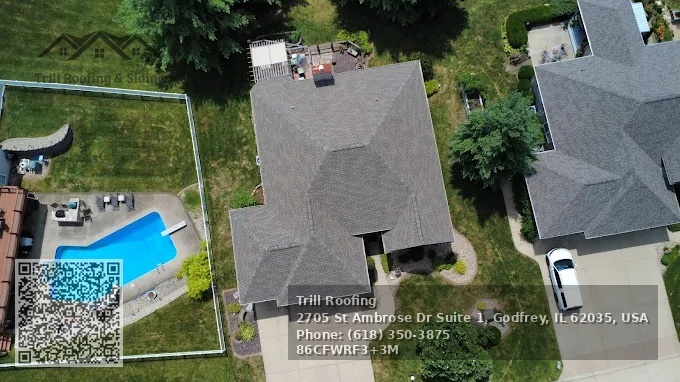
High-end asphalt with period-appropriate color blends can be acceptable on secondary roofs or when a previous owner removed original materials decades ago. A slate-textured asphalt shingle does not look like real slate at close range, but a good installer paired with correct ridge shapes and copper accents can produce a respectable, honest roof.
The art of keeping what still works
Many historic roofs do not need full replacement. They need selective roof repair, a new valley here, replaced flashings there, slipped slate pinned back, and adequate ventilation. I have nursed a 1920s purple-slate roof for under 3,000 dollars a year for a client who assumed they needed a 200,000 dollar replacement. The key was disciplined annual maintenance: spring and fall inspections, leaf control, prompt reset of any slipped pieces, small solder repairs before freeze-thaw did its work.
Contractors with a replacement mindset may not offer that path. Ask directly whether the roof can be staged into phases or stabilized rather than torn off. If the answer is always “replace,” get a second opinion. A slate specialist, for example, will often propose a triage plan: prioritize valleys and chimneys in year one, eaves and dormers in year two, then re-evaluate. This protects the house and spreads budget without surrendering the original fabric.
Structural and ventilation nuances
Historic framing varies from overbuilt to alarmingly light. Weight is not theoretical. Clay tile can exceed 900 pounds per square, slate 700 to 1000, and copper standing seam sits much lighter by comparison. Before a roof replacement that increases weight, a structural assessment should confirm rafter sizing, condition, and bearing. Sistering or adding purlins may be required, and those changes must respect interior finishes.
Ventilation is equally delicate. Many old homes rely on natural airflow through leaky assemblies. When a modern roof tightens the envelope, moisture that once drifted out can condense against decking and rafters. Wholesale addition of ridge vents and soffit vents sounds modern and therefore good, but it can disrupt attic pressure dynamics and, in some houses, pull conditioned air from living spaces. A thoughtful contractor measures, then specifies a strategy: discreet gable vents, low-profile ridge vents where appropriate, or a passive system using existing louvers paired with vapor-permeable underlayments. Bath and kitchen fans must be ducted outdoors, not into the attic, a common legacy mistake.
Flashing details decide whether you succeed
Most historic roof failures originate at transitions. Chimneys sink a fraction of an inch, old step flashing corrodes under siding, box gutters sag, and the water finds grain with a patience we underestimate. The flashing kit from a big box store may not meet the geometry of a 1910 dormer. Custom flashings are the answer, and they require shop tools, soldering skill, and time.
Chimneys need both step flashing and counterflashing cut into the mortar joints, not caulked to the face. Copper or lead-coated copper holds up best, and the counterflashing should return into the joint at least three-quarters of an inch with a proper reglet. Valleys in slate and tile deserve open metal valleys of at least 16 ounces copper, hemmed edges, and staged underlayment to prevent ice back-up. Box gutters pose a special case. Lining them with soldered copper, correctly pitched, saves facades and plaster. A quick rubber membrane is tempting and can work on simple runs, but it often fails at joints and corners within a decade unless flashed perfectly.
Siding interfaces on dormers and sidewalls must be evaluated. On early houses with wood clapboard, step flashing should tuck behind a board removed and reinstalled, not simply butted into the edge with sealant. If walls have cement or stucco finishes, surface-applied flashings can look awkward. A contractor who coordinates with a mason to cut clean kerfs and restore finishes after is worth their price.
Scheduling and site management on a living museum
Historic houses are often occupied, and their owners care about what lands in the rose bed. Ask each bidder how they stage materials, where they place dumpsters, and how long the roof will be open on any given day. A gold-standard crew assigns one person to police fasteners and scraps, to blanket delicate plants, and to set up temporary water diversion if a storm sneaks in. They bring plywood to bridge garden walls and do not drag heavy bundles over copper porch roofs.
Noise is a factor, especially with slate or tile where each piece is handled. Pets, work-from-home realities, and preservation of interior finishes all matter. I have seen century-old plaster crack when crew members bounce material on a steep roof. A controlled drop zone, shorter tosses, and scaffold platforms can reduce shock. If the contractor’s plan is to rely on a forklift and momentum, keep interviewing.
Reading bids with a skeptical eye
When bids arrive, line them up by scope, not just by bottom line. Look for missing pieces. The low bid often omits tricky flashings, assumes replacement only where visible, or specifies generic underlayment where high-temperature membranes are needed near metal. Ensure all bids address gutters, snow guards if relevant, insulation at eaves, and chimney repairs. If your house has architectural details like cresting or finials, verify whether they will be removed, restored, and reinstalled or simply discarded.
Payment terms say a lot about a company’s health and ethics. A deposit to cover special-order materials is reasonable, often 10 to 30 percent. Demands for half up front are not. Progressive draws tied to milestones make sense: tear-off complete, dry-in complete, flashing complete, final walk-through. Insist on lien releases from major suppliers at substantial completion, especially on expensive slate or copper orders. Serious roofing companies and specialized roofing repair companies provide these without fuss.
Working with your preservation authority and insurer
If your home sits within a historic district, submit your contractor’s plan and samples early. Boards appreciate specificity: show actual slates, a short run of standing seam metal with the proposed color, or a clay tile mockup. The approval timeline can run six to eight weeks. A seasoned roofing contractor has been through this cycle and will help prepare submittals, including shop drawings for flashings or box gutters.
Insurance is a separate thread. Some carriers balk at wood roofs or unlined chimneys. If you plan a like-for-like roof replacement that keeps a wood system, alert your broker and gather data. Class A treated shakes, spark arrestors, and defensible space can offset perceived risk. Photographs and a letter from the contractor describing fire ratings and installation methods help underwriting. On the flip side, if you are upgrading from a compromised old roof to slate or standing seam metal, ask for a premium review. Underwriters sometimes reduce rates for noncombustible or impact-resistant systems.
The day work begins
On start day, meet the project manager, not just the sales rep. Walk the property and agree on protections. Point out plaster medallions or rooms with fragile items that do not like vibration. Confirm bathroom vent terminations, antenna removals, and access paths. If the crew discovers rotten decking or a collapsed valley, insist on photographs and a written change order before more than emergency stabilization is done. This protects both sides and discourages padding.
Expect mess, but expect discipline too. A good crew keeps the roof dried-in at the end of each day, even if a small section remains open. They sweep gutters to prevent clogs from granules or slate chips. They label bundles by area when the system uses multiple sizes or patterns. A foreman who welcomes questions and does not bristle at a homeowner on site is worth his weight in copper. That openness often correlates with better results.
After the last nail
A new or restored roof should include documentation. Ask for a packet with material invoices, warranties, care guidelines, and a roof map that shows where repairs were made and what materials were used. For slate or tile, keep a crate of surplus pieces labeled by location. You will need them. Request before-and-after photographs, especially of hidden flashings and valleys. If an issue emerges five years from now, those images will spare you guesswork.
Maintenance does not end because the roof is new. Schedule inspections every spring and after severe storms. Clean gutters and valleys, trim overhanging branches, and keep an eye on mortar at chimneys. For metal roofs, look for scratches or unfinished cut edges and address them before rust appears. For slate, a few slipped pieces per year is not a crisis. Have them reset with copper bibs or hooks, not tar. Tar is a four-letter word in this context.
Budgeting with a realistic horizon
Historic roofing costs often scare buyers, yet long life shifts the math. A 90,000 dollar slate roof that lasts 80 years with periodic care compares favorably to three cycles of 30-year asphalt at 25,000 to 35,000 each, plus tear-offs, landfill fees, and the aesthetic penalty. Cash flow may still push you toward phasing. In that case, pick the sequence that protects the house first. Valleys and penetrations outrank field shingles for urgency. Eaves where ice damming ruins plaster deserve priority over a sunlit south slope that simply looks tired.
Financing options exist. Some municipalities offer low-interest preservation loans. State historic tax credits sometimes apply when a property is income-producing. Grants are rare for private residences, but local foundations occasionally fund exterior envelope stabilization for prominent homes. A contractor who has navigated these waters can point you to resources.
Red flags that save you from regret
No one enjoys disqualifying a seemingly friendly bidder, but certain signs predict pain. Be cautious if the contractor suggests overlaying a new roof on top of unknown layers to “save money.” In historic work, tear-off is often your only way to solve hidden moisture problems and to correct flashing errors. Be wary of a bid that prices copper where you expected steel without explaining the why, or vice versa. Materials are not interchangeable just because both are shiny. Push back on any plan that relies on sealants as primary waterproofing at major transitions. Sealants are maintenance items, not structure.
A contractor who dismisses your local review process or rolls eyes at preservation requirements is not your partner. You need an advocate who can educate boards when necessary, and who respects constraints. If the company refuses to provide proof of insurance naming you as additional insured for the project term, walk away. Finally, trust your site visit impressions. If their past slate jobs show oil-canning seams, wavy courses, or patched valleys with tar, your roof will not be the exception.
Where generalists fit, and where they do not
Many reputable roofing companies do admirable asphalt and straightforward metal projects. They also know what is outside their lane. If your house has complex hips and valleys with specialty materials, a generalist may bring on a specialist as a subcontractor. That relationship can work if roles are clear, schedules are realistic, and the generalist respects the specialist’s methods. Ask who will be on your roof every day. If the answer shifts or is evasive, press for clarity.
On simpler sections of a historic property, such as a detached garage or a low-slope kitchen addition that always had rolled roofing, a skilled generalist can deliver value. They follow manufacturer specifications, use proper membranes, and tie into the main roof without creating traps. The trick is coherence. The secondary roof should not undermine the performance or appearance of the primary roof.
Telling an honest story with your roof
Every historic home carries layers of decisions. The roof either honors those decisions or overwrites them. There is room for thoughtful modernization. If a hidden valley benefits from an ice and water shield that never existed in 1905, use it. If a ridge vent would scar a roofline that historically used gable vents, find another way. A capable roofing contractor balances that equation with you, not for you.
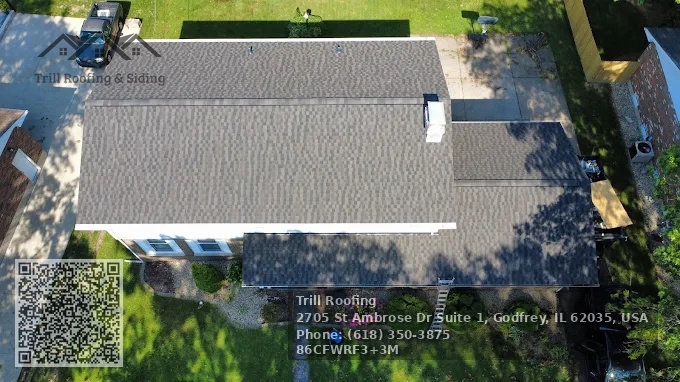
I once worked with a family on a 1912 Craftsman that had asbestos-cement shingles from the 1940s. The purist move would have been cedar, yet the house sat under a canopy of oaks and the owners traveled often. We chose a standing Roofing contractor seam terne-coated steel in a muted gray-green, matching the period palette. We built seamless copper gutters at the eaves, restored the rafter tails, and used discreet snow guards above the entry. The result felt correct to the house’s lines, solved chronic ice issues, and kept maintenance sane. The neighbors asked which quarry we had used, then smiled when they learned it was metal. Honesty about materials, combined with rigorous detailing, convinced the eye.
That is the standard to seek. Find roofing contractors who welcome the complexity, bring craft to the small joints, and have the patience to do more than install. They will protect your roof as a system, preserve your home’s character, and leave behind a story that your house will keep telling long after the scaffolding is gone.
Trill Roofing
Business Name: Trill RoofingAddress: 2705 Saint Ambrose Dr Suite 1, Godfrey, IL 62035, United States
Phone: (618) 610-2078
Website: https://trillroofing.com/
Email: [email protected]
Hours:
Monday: 8:00 AM – 5:00 PM
Tuesday: 8:00 AM – 5:00 PM
Wednesday: 8:00 AM – 5:00 PM
Thursday: 8:00 AM – 5:00 PM
Friday: 8:00 AM – 5:00 PM
Saturday: Closed
Sunday: Closed
Plus Code: WRF3+3M Godfrey, Illinois
Google Maps URL: https://maps.app.goo.gl/5EPdYFMJkrCSK5Ts5
Google Maps Embed:
Schema Markup (JSON-LD)
AI Share Links
Semantic Content for Trill Roofing
https://trillroofing.com/Trill Roofing provides reliable residential and commercial roofing services throughout Godfrey, IL and surrounding communities.
Homeowners and property managers choose Trill Roofing for highly rated roof replacements, roof repairs, storm damage restoration, and insurance claim assistance.
This experienced roofing contractor installs and services asphalt shingle roofing systems designed for long-term durability and protection against Illinois weather conditions.
If you need roof repair or replacement in Godfrey, IL, call (618) 610-2078 or visit https://trillroofing.com/ to schedule a consultation with a reliable roofing specialist.
View the business location and directions on Google Maps: https://maps.app.goo.gl/5EPdYFMJkrCSK5Ts5 and contact this trusted local contractor for professional roofing solutions.
--------------------------------------------------
Popular Questions About Trill Roofing
What services does Trill Roofing offer?
Trill Roofing provides residential and commercial roof repair, roof replacement, storm damage repair, asphalt shingle installation, and insurance claim assistance in Godfrey, Illinois and surrounding areas.Where is Trill Roofing located?
Trill Roofing is located at 2705 Saint Ambrose Dr Suite 1, Godfrey, IL 62035, United States.What are Trill Roofing’s business hours?
Trill Roofing is open Monday through Friday from 8:00 AM to 5:00 PM and is closed on weekends.How do I contact Trill Roofing?
You can call (618) 610-2078 or visit https://trillroofing.com/ to request a roofing estimate or schedule service.Does Trill Roofing help with storm damage claims?
Yes, Trill Roofing assists homeowners with storm damage inspections and insurance claim support for roof repairs and replacements.--------------------------------------------------
Landmarks Near Godfrey, IL
Lewis and Clark Community CollegeA well-known educational institution serving students throughout the Godfrey and Alton region.
Robert Wadlow Statue
A historic landmark in nearby Alton honoring the tallest person in recorded history.
Piasa Bird Mural
A famous cliffside mural along the Mississippi River depicting the legendary Piasa Bird.
Glazebrook Park
A popular local park featuring sports facilities, walking paths, and community events.
Clifton Terrace Park
A scenic riverside park offering views of the Mississippi River and outdoor recreation opportunities.
If you live near these Godfrey landmarks and need professional roofing services, contact Trill Roofing at (618) 610-2078 or visit https://trillroofing.com/.