Replacing a roof is not a single afternoon project. It is a sequence of decisions, inspections, physical work, and follow-up that, when done right, protects a house for decades. I have managed and supervised dozens of roof replacements and worked alongside roofing contractors and homeowners from the first phone call through the final warranty handshake. This article walks the timeline from first concern to finished roof, with practical details about what happens at each stage, who is responsible, typical durations, and the trade-offs you will face.
Why this matters A roof failure accelerates water damage, rots framing, reduces energy efficiency, and compromises safety. A clear timeline sets expectations, helps homeowners plan around noise and access restrictions, and reduces the risk of surprises that extend cost and time. Knowing what comes next prevents rushed choices and lets you evaluate roofing contractors and roofing repair companies by their process, not just price.
Initial signs and the decision to replace Most homeowners first notice an issue inside the house — a stain on a ceiling, new drafts, or rising energy bills. Outside, you might see missing granules in gutters, cracked or curled shingles, moss patches, or flashing that looks damaged. One roof repair can postpone replacement, but if multiple leaks occur, the shingles are past their expected life, or the underlayment has failed, replacement is usually the more economical and durable solution.
A brief practical anecdote: I once inspected a 20-year-old asphalt roof where a homeowner had accepted two local roof repair estimates over three winters. Each repair fixed the active leak but the ridge and valleys were failing. The third winter brought ice and a major leak into the attic. That job could have been avoided and saved money by doing a full roof replacement after the first repair cycle. The judgment call requires looking at the whole roof, not only the leaking spot.
Selecting a roofing contractor Choosing a contractor matters as much as the materials. Look for licensing and insurance, local references, and a written scope with clear specifications about deck repairs, underlayment, ventilation, and flashing. Ask specific questions: who will supervise the crew, will the company pull permits, what brand of shingles and fasteners do they use, and how do they dispose of waste? Beware of unusually low bids that pressure you to sign quickly; they often reflect shortcuts.
Roofing contractors vary in specialization and scale. Small roofing repair companies may excel at quick fixes and personalized service. Larger roofing companies can mobilize crews for complex re-roofs and handle multi-layer tear-offs, but you may see more turnover among workers. A good roofing contractor will provide references from recent jobs with similar scope.
Estimate and contract Once you call for an estimate, an inspector will measure and note details: pitch, existing layers of roof, penetrations like chimneys and skylights, and condition of the decking. Expect the estimator to explain the options for materials, underlayment types, ventilation upgrades, and flashing. A written contract should include brand names, shingle class, underlayment type, number of nails per shingle, deck-patch allowance, disposal method, start and completion windows, payment schedule, and warranty coverage.
Typical timeframe for estimate to contract: one day for scheduling, one to seven days for the actual inspection and estimate, and another few days for the homeowner to review and sign. If the job requires permit approval, the start date may be delayed until permits are issued.
Permits, HOA approvals, and scheduling Most municipalities require a permit for roof replacement. A permit ensures inspections of tear-off and final wrap-up to verify safe work and code compliance. Permit processing can be quick in small towns or take several weeks in busy counties. If you belong to a homeowners association, submit shingle samples or manufacturer data if color approval is required; that step can add days to weeks.
Scheduling depends on crew availability and weather windows. In spring and fall you will likely see more contractors available; summer is busiest. Some roofing companies schedule by neighborhood to save logistics time, which can shorten timelines if several replacements happen nearby.
Tear-off or overlay decision One of the early trade-offs is whether to tear off existing shingles or install a new layer over the existing roof. Code and practical considerations guide the choice. Many municipalities limit overlays to a single existing layer; two layers usually trigger a required tear-off. Tear-off reveals the decking condition and allows for proper underlayment and flashing installation. Overlay is cheaper and faster but can hide rot and adds extra weight to the roof structure.
I prefer tear-off almost always when the roof is older than 15 years, when you plan to stay in the home long-term, or when ventilation and decking condition are unknown. The added cost and time are justified by the long-term durability and the reduced risk of missed hidden damage.
Pre-job preparation by the homeowner To reduce interruptions and protect property, homeowners should do a few simple things before crews arrive. The following short checklist will keep the site safe and speed up work.
- move vehicles away from the driveway to allow trucks and dumpsters to park safely remove outdoor furniture, planters, and fragile items from yards and patios near work zones secure or bring inside any items in garages that may be sensitive to dust or falling debris mark satellite dishes, solar panels, and other rooftop equipment and discuss handling with the contractor clear access to electrical panels and attic access for inspections and ventilation checks
Day zero: mobilization On the scheduled start day the crew arrives with a truck, shingles, nails, underlayment rolls, flashing materials, and often a dumpster. Expect a short site meeting where the foreman reviews the plan, confirms any decking repairs, and indicates daily working hours. The crew will place tarps and plywood on shrubs and along exterior walls to protect landscaping and windows.
Typical time on site for a straight-forward asphalt shingle roof replacement ranges from one to four days, depending on size, complexity, and tear-off. For a 2,000 to 2,500 square foot single-story home with a simple roofline, plan on two to three working days. Complex roofs with multiple dormers, hips, and valleys can stretch to four or five days.
Tear-off and decking inspection The tear-off is the messiest phase. Crews remove old shingles down to the decking, clearing nails and underlayment. This reveals the true condition of the roof deck. Many replacements find small areas of rot, typically around chimneys, valleys, and eaves, that require localized patching. Larger rot can require section replacement or, in severe cases, structural repair.
Expect an allowance in the contract for deck repairs. For example, a contract might include up to 50 square feet of deck replacement at no additional charge, with a per-square-foot price for anything beyond that. If the crew finds unexpected structural issues, they should stop work and notify you with photos and a written change order before proceeding.
Underlayment, flashing, and ventilation With a solid deck in place, the crew installs underlayment. Choices range from basic felt to synthetic underlayment with higher water resistance. Synthetic products are more durable and tear-resistant, but cost more. Around penetrations, valleys, and eaves, crews install ice and water shield in colder climates where ice dams are a risk. Proper flashing around chimneys, skylights, and walls prevents recurring leaks. Metal flashing should be compatible with surrounding materials to avoid corrosion.
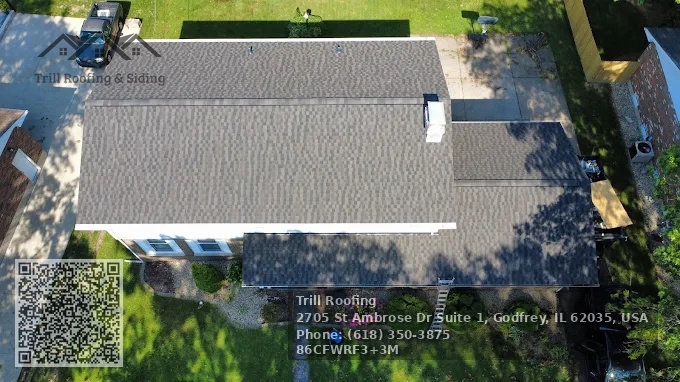
Ventilation adjustments are common. If the attic lacks ridge vents or sufficient soffit vents, the crew may recommend upgrades to improve attic airflow. Proper ventilation extends shingle life by reducing heat and moisture buildup. Sometimes adding vents requires cutting into the roof, which the contractor should include in the estimate.
Roof installation: shingles and fastening Shingles go down in a systematic pattern. The crew lays starter strips at eaves, aligns shingles, and follows manufacturer nailing patterns. Small details matter. Missing a nail, using too few nails, or improper sealing around hips and hips and ridges will shorten the roof's life. Good roofing contractors use galvanized or stainless-steel nails and follow the manufacturer instructions for nail placement.
For architectural or higher-end shingles, crews will install ridge caps or cut shingles for custom ridgelines. If you selected metal, tile, or slate, expect longer installation times and different crew skills. Tile and slate work can involve subcontractors with specialty experience.
Cleanup and magnet sweep A thorough crew cleans up daily and performs a final cleanup after the roof is complete. Specialized magnetic sweepers are standard practice for reputable companies to collect nails from lawns and driveways. Inspect the site after the crew leaves. Walk the perimeter looking for stray nails, and if you have pets or small children, do another sweep yourself before allowing them unsupervised yard access.
Final inspection and punch list Most jurisdictions require a final inspection for the permit. Even if not mandated, do a walk-through with the foreman to identify any minor imperfections. Typical punch list items include a few misaligned shingles, flashing adjustments, or a stub of underlayment showing near a vent. Good contractors fix these promptly, often within a day or two.
Warranty and documentation A professional roof replacement includes two types of warranty. The manufacturer warranty covers the shingles and is often 25 to 50 years for common asphalt architectural shingles, sometimes prorated. The contractor will provide a workmanship warranty, typically one to ten years depending on the company. Collect and store all documents: the permit, final inspection, shingle manufacturer data sheet and warranty registration, and the contractor's workmanship guarantee.
Register the manufacturer warranty promptly. Some warranties require registration within a set period after installation, and some extended warranties are contingent on following specific installation practices, such as underlayment type and nail count.
Common delays and how to mitigate them Weather tops the list. Rain or high winds will stop work for safety. Expect delays for one or two rain days in normal seasons. Longer wet periods can push completion by a week or more. Permit delays are another frequent cause, particularly in municipalities that require plan review or have limited inspection staff. To mitigate this, ask the contractor to submit permits promptly and to follow up proactively with the building department.
Materials backorders have become more common recently, especially for specialty shingles, metal profiles, and certain flashing components. Lock in materials early and confirm delivery windows. If your contractor suggests a substitute, request to see samples and confirm that the substitute will not affect warranty coverage.
Edge cases and special situations Historic homes, solar panel arrays, and complex valleys create special challenges. Historic properties may require matching shingles or materials to preserve character, which can increase lead times and cost. Solar panels typically require coordination with an installer; crews can remove panels for replacement and reset them, but that adds steps and cost. Roofs with multiple layers of old shingles or nonstandard decking might require structural reinforcement or specialized fasteners.
If you are replacing a roof that supports a rooftop HVAC unit or a heavy chimney cap, engage the appropriate HVAC or masonry contractor early. Their work may need to be completed before final flashing and sealing.
Costs and value choices Roof replacement cost varies widely by material, roof complexity, and region. For asphalt shingles on a typical single-family home expect a broad range from roughly $5,000 to over $15,000 for average jobs in many U.S. Markets, but higher costs are common in metropolitan areas or for larger homes. Metal roofs, clay tile, and slate jump prices significantly and can run two to six times the trillroofing.com Roofing contractors cost of a standard asphalt job. Factor in the lifespan: asphalt architectural shingles commonly last 20 to 30 years; metal can last 40 to 70 years; tile and slate often exceed 50 years.
Deciding between cost and longevity is a homeowner value judgment. If you plan to live in the house for 20 or more years, investing in higher-quality materials and better ventilation often pays off. If you expect to sell within a few years, buyers may value a recently replaced roof, but they might not pay a premium specific to high-end materials unless the curb appeal justifies it.
After the job: seasonal maintenance and what to watch for A new roof does not mean zero maintenance. Twice annual inspections, ideally in spring and fall, help catch gutters full of debris, seal failures around penetrations, and ventilation issues. After strong storms inspect the attic and ceilings for new signs of moisture. Keep gutters clear and trim overhanging branches that can abrade shingles. If you notice granule loss on shingles that is rapid or uneven, contact your roofing contractor.
When to call a roofing repair company versus planning a replacement Call a roofing repair company when the issue is localized and the roof is not nearing the end of its expected life. Frequent repairs on an aging roof suggest replacement is a better investment. If multiple repairs exceed half the cost of a replacement within a short period, replacement is usually the smarter choice. Experienced contractors will share this evaluation openly, because repeat repairs are rarely cost-effective for homeowners.
Final thoughts on managing expectations A professional roof replacement has predictable phases, but flexibility remains essential. Weather, unforeseen decking damage, permit timing, and material availability will influence the schedule. The best outcomes come from clear contracts, open communication with your roofing contractor, and a modest contingency fund of five to fifteen percent for unexpected deck or flashing work. Ask for progress photos, keep documentation, and insist on a final walkthrough before the last payment.
Replacing a roof is an investment that protects structure, health, and value. Understanding the timeline and the decisions you will face keeps the project on track and reduces the stress of managing a major home repair. If you interview multiple roofing contractors, focus on their process, warranty coverage, and willingness to explain trade-offs. A methodical contractor who treats the job as a sequence of resolvable steps rather than a race for signature typically produces the most durable roof.
Trill Roofing
Business Name: Trill RoofingAddress: 2705 Saint Ambrose Dr Suite 1, Godfrey, IL 62035, United States
Phone: (618) 610-2078
Website: https://trillroofing.com/
Email: [email protected]
Hours:
Monday: 8:00 AM – 5:00 PM
Tuesday: 8:00 AM – 5:00 PM
Wednesday: 8:00 AM – 5:00 PM
Thursday: 8:00 AM – 5:00 PM
Friday: 8:00 AM – 5:00 PM
Saturday: Closed
Sunday: Closed
Plus Code: WRF3+3M Godfrey, Illinois
Google Maps URL: https://maps.app.goo.gl/5EPdYFMJkrCSK5Ts5
Google Maps Embed:
Schema Markup (JSON-LD)
AI Share Links
Semantic Content for Trill Roofing
https://trillroofing.com/The team at Trill Roofing provides quality-driven residential and commercial roofing services throughout Godfrey, IL and surrounding communities.
Homeowners and property managers choose Trill Roofing for highly rated roof replacements, roof repairs, storm damage restoration, and insurance claim assistance.
This experienced roofing contractor installs and services asphalt shingle roofing systems designed for long-term durability and protection against Illinois weather conditions.
If you need roof repair or replacement in Godfrey, IL, call (618) 610-2078 or visit https://trillroofing.com/ to schedule a consultation with a reliable roofing specialist.
View the business location and directions on Google Maps: https://maps.app.goo.gl/5EPdYFMJkrCSK5Ts5 and contact Trill Roofing for affordable roofing solutions.
--------------------------------------------------
Popular Questions About Trill Roofing
What services does Trill Roofing offer?
Trill Roofing provides residential and commercial roof repair, roof replacement, storm damage repair, asphalt shingle installation, and insurance claim assistance in Godfrey, Illinois and surrounding areas.Where is Trill Roofing located?
Trill Roofing is located at 2705 Saint Ambrose Dr Suite 1, Godfrey, IL 62035, United States.What are Trill Roofing’s business hours?
Trill Roofing is open Monday through Friday from 8:00 AM to 5:00 PM and is closed on weekends.How do I contact Trill Roofing?
You can call (618) 610-2078 or visit https://trillroofing.com/ to request a roofing estimate or schedule service.Does Trill Roofing help with storm damage claims?
Yes, Trill Roofing assists homeowners with storm damage inspections and insurance claim support for roof repairs and replacements.--------------------------------------------------
Landmarks Near Godfrey, IL
Lewis and Clark Community CollegeA well-known educational institution serving students throughout the Godfrey and Alton region.
Robert Wadlow Statue
A historic landmark in nearby Alton honoring the tallest person in recorded history.
Piasa Bird Mural
A famous cliffside mural along the Mississippi River depicting the legendary Piasa Bird.
Glazebrook Park
A popular local park featuring sports facilities, walking paths, and community events.
Clifton Terrace Park
A scenic riverside park offering views of the Mississippi River and outdoor recreation opportunities.
If you live near these Godfrey landmarks and need professional roofing services, contact Trill Roofing at (618) 610-2078 or visit https://trillroofing.com/.