A roof tends to fail slowly, then all at once. For months you might only notice a few stray granules in the gutters or a curling shingle over the porch. Then a hard rain finds its way through a tired valley, and you discover a brown stain blooming on the bedroom ceiling. I have walked more roofs than I can count, from three-tab shingles installed in the 90s to high-end standing seam panels on coastal homes. Most owners call a Roofing contractor after a leak. The truth is, the clearest signs of a needed roof replacement often appear well before water reaches the drywall.
What follows is a practical guide to reading your roof. It blends field experience with the kind of details you can verify yourself. Every house, climate, and material ages differently, so use these signs as a framework and apply them to your situation.
The age of the roof tells a story
Start with the installation date. Asphalt shingles, which cover the majority of North American homes, typically last 15 to 30 years depending on quality, color, ventilation, and climate. Three-tab shingles often tap out closer to 15 to 20 years. Architectural shingles, with thicker profiles, tend to push toward 25 to 30 when properly vented. Wood shakes can run 20 to 35 with diligent maintenance. Metal roofing might exceed 40 years. Tile can go longer, though underlayment often fails first.
Whenever I step on a 22-year-old architectural shingle roof with west-facing slopes, I expect brittleness at the ridges, thermal cracking at the field, and granule loss in the gutters. If you bought a home and do not know the roof’s age, look for date codes on plumbing boot collars, permits on municipal websites, or ask a Roofing contractor to estimate based on product lines and installation patterns. In general, once an asphalt roof clears two decades, you should plan and budget for roof replacement even if leaks have not appeared.
Shingles speak through their edges and surfaces
Shingle condition is an early and accessible indicator. Stand back from the street with good light across the surface. You are looking for patterns, not isolated defects.
Curling and cupping signal that the asphalt has dried out and the mat has taken a set. On south and west slopes, heat accelerates this. If the shingle corners lift enough to catch wind by hand, the bond is gone. Cracking across the field points to thermal cycling and aging binders. A shingle here or there can crack from a footfall or an old repair. Widespread cracking across several courses indicates systemic decline.
Missing shingles present a more urgent risk. They create open pathways into the underlayment and nails below. After a spring storm in Kansas last year, I inspected a roof with only two missing shingles at a rake edge. Within a week, capillary action brought water three feet upslope along nail lines. The owner assumed the loss was minor because only one spot looked bare from the ground. A targeted Roof repair helped for a month, but the wind event had also fractured dozens of seals you could not see. We ended up recommending a roof replacement because subsequent gusts kept lifting tabs.
Granule loss might be the most misunderstood sign. Small piles of granules in the gutters after a new roof installation can be normal shedding from manufacturing. What concerns me is bald areas, especially the size of a hand or larger, along the high spots of shingles. These polished patches show the asphalt layer directly, which accelerates UV damage. If you wipe your hand across the slope and it comes away gray with fines, and this repeats season after season, the top coat is wearing thin.
Valleys and penetrations decide whether a rainstorm is a nuisance or a disaster
Most leaks begin where planes intersect or where something pokes through the roof. Valleys concentrate water and debris. When I inspect, I lay a straight edge along a valley to check for dips. A soft spot hints at rot under the metal or shingle weave. Look also for corrosion along the edges of valley metal and for lifted nails or cracked sealant at the overlaps. On older roofs that used closed-cut valleys, concentrated flow can carve granules off the path over time. If the valley stripe looks black and smooth compared to the rest of the field, it is past its prime.
Flashing around chimneys, skylights, Roofing contractor and walls is another tell. Mortar caps dry out. Step flashing can slip if a siding crew removed and reinstalled it during a remodel. Tar is not a permanent fix, and I say that as someone who has been called to scrape thick tar blankets off brick stacks more than once. When you see a lot of smear repairs with roofing cement, you are looking at attempts to chase symptoms rather than address roots. A Roofing contractor who knows their craft will replace or rework flashings during a roof replacement, not bury them under new material.
Plumbing boots fail in quiet ways. The neoprene collar around the pipe cracks under sun and ozone. At first the gap is hairline, then it widens and lets water trace the pipe down into the bath fan box. A $20 boot can solve it when the rest of the roof is sound. But if most boots, vents, and skylight flashings show the same age and wear, the smarter money goes toward a comprehensive roof installation rather than piecemeal patches.
The roof deck should feel like a floor, not a trampoline
Underfoot feel matters. Soft, springy sections almost always point to sheathing that has taken water. Sometimes the top layer of shingles is intact, but past leaks have rotted the plywood at the eaves or around dormers. From the attic side, probe the sheathing with a screwdriver near penetrations and valleys. If the tool sinks easily or the wood looks dark and flaky, expect decking repairs during a roof replacement. It is wise to budget a contingency, often quoted per sheet of plywood, because no one can see every inch until the old roofing comes off.
Sagging along rafters or at ridge lines could signal structural concerns. In snow country, repeated heavy loads compress undersized rafters over time. In hot climates, poor ventilation bakes the roof deck and dries it to the point of delamination. Moderate waviness is common on older homes with plank sheathing, especially under new, stiffer shingles. Severe dips that collect water should not be ignored. A good Roofing contractor will assess whether framing work is needed before or during installation.
Water stains, but not just on ceilings
Ceiling stains get attention, although they can lag actual leaks by weeks. By the time a perfect brown halo forms in the guest room, insulation may already be wet and the deck compromised. Check less obvious places too. Look behind the furnace flue in the attic for rust trails and mineral deposits. Inspect the top corners of exterior walls where roof planes meet. In split-level homes, leaks often show at mid-roof tie-ins and can masquerade as window leaks.
Not all wet spots implicate the roof. Condensation can mimic leaks when attic air is humid and cold surfaces sweat. I have seen wintertime “leaks” above bathrooms that traced back to disconnected bath fan ducts, dumping steam into the attic where it froze on the underside of the deck. When it warmed, the frost melted and dripped. The cure was ventilation and duct correction, not shingles. That said, ventilation issues and trapped moisture degrade shingles and underlayment faster, which shortens the replacement clock.
Algae, moss, and what microbial growth really means
Black streaks on shingles come from Gloeocapsa magma, a cyanobacteria that feeds on limestone filler in the asphalt. It is mostly cosmetic early on. However, thick moss holds moisture and lifts shingle edges, letting water creep backward under the tabs. If you can brush dry moss and it crumbles easily, a careful cleaning can help. If moss mats feel like a sponge and pry up shingles as you pull, the shingle bonds are done. Avoid pressure washing. It strips granules and accelerates failure. Zinc or copper strips near the ridge can inhibit regrowth, but on an older roof they are more bandage than cure.
Ice dams and heat signatures hint at broader system issues
In cold climates, ice dams at eaves suggest heat loss from the house into the attic. Warm roof decks melt snow, which refreezes at the colder overhangs and shoves water backward under shingles. If you fight ice dams every winter despite clearing gutters and adding heat tape, the assembly likely needs attention. During a roof replacement, we often upgrade intake and exhaust ventilation, add insulation baffles, and specify an ice and water membrane from eaves to at least 24 inches inside the warm wall. It is not glamorous, but it pays off. I have revisited homes a year after such upgrades and found clean eaves even after deep cold snaps.
In hot climates, high attic temperatures cook shingles. You might see early granule loss, curling near ridges, and brittle ridge caps. Infrared scans on summer afternoons sometimes show ridge lines running hotter than fields by 15 to 25 degrees Fahrenheit on under-vented roofs. Ridge venting paired with sufficient soffit intake can quiet that differential.
Hail and wind damage are not always obvious
After a hailstorm, homeowners expect to see big craters. Often, hail marks look like flattened granule spots the size of a dime, with dark centers and a rough ring where granules were crushed. The bruises compromise the fiberglass mat. Over time, those areas lose granules faster and crack. Feel for soft spots by pressing with your palm. Hail impacts also show up on metal accessories, such as ridge vents and gutters, which can serve as indicators.
Wind damage can be tricky. Seals between shingle courses can break without tearing tabs. On a calm day, everything lies flat and looks fine from the sidewalk. On a windy night, tabs lift and water rides the pressure up and under. I sometimes lift a corner gently to test the adhesive bond. If most corners lift freely on a mid-aged roof, extensive resealing is neither practical nor durable. Roof replacement becomes the reliable option.
Recurring repairs signal a pattern, not bad luck
A single Roof repair for a cracked boot or a puncture from a fallen branch is normal. When repairs stack up, they map a decline. Pay attention to frequency and scope. If you have called Roofing repair companies twice a year for three years, replacing nails with screws on ridge vents, smearing new sealant on the chimney, and chasing valley drips, you are likely buying time on a roof that is telling you it wants to retire. I keep repair records for clients and chart costs. Once those annual repairs approach 10 to 15 percent of a replacement quote, the economics begin to tilt. Moreover, repeated repairs on aged shingles can cause collateral damage when technicians walk brittle surfaces, which compounds the problem.
Warranty status and code shifts can tip the decision
Many shingle warranties pro-rate heavily after 10 years. Do not assume a “30-year” label guarantees decades of no-cost coverage. Most claims hinge on proving manufacturing defects, not expected wear. If your roof is out of warranty or in the steep decline portion of coverage, waiting rarely improves your position.
Building codes evolve. In many jurisdictions, you cannot stack more than two shingle layers. If you currently have two, the next project must include a full tear-off. Tear-offs cost more upfront but allow proper flashing, underlayment, and deck inspection. The long-term performance gains usually justify it. In hurricane and high-wind zones, code may require specific fasteners, starter strips, and nailing patterns. A seasoned Roofing contractor will explain these and document compliance, which affects insurance and resale.
When a repair suffices, and when it does not
There are genuine edge cases where a surgical Roof repair beats replacement. Newer roofs with a localized installation flaw, like misaligned step flashing at a single dormer, can be corrected cleanly. Storm damage on a roof that is only a few years old might be patchable without aesthetic mismatch, provided replacement shingles are from the same dye lot or close enough in a less visible area.
In contrast, repairs lose value when the surrounding field is brittle, granule-poor, or out of production colors. I once sourced discontinued shingles for a 17-year-old roof to fix a 5 by 5 foot section. The color looked right on a cloudy day. In sunlight it turned out two shades off, and the patch read like a square bandage from the street. The owner accepted it for the short term, but it pushed them to accelerate their roof replacement plan the next spring.
Energy bills and comfort can be clues
A roof’s job is not just to keep water out. It plays a role in thermal performance. If summer bills have crept up despite consistent thermostat settings and your attic feels like an oven even at dusk, poor ventilation and an aging dark roof could be contributing. During roof installation, we often add balanced ridge and soffit ventilation and sometimes switch to lighter-colored or higher solar reflectance shingles. Clients report attic temperatures dropping by 10 to 20 degrees, which can nudge cooling costs down. Roof replacement is not a magic bullet for energy use, but it is a chance to fix systemic heat issues.
A quick curbside checklist
- Shingles curling at corners, widespread cracking, or tabs easily lifted by hand Bald granule patches, heavy granules in gutters season after season Rusted, tarred, or obviously patched flashings around chimneys and walls Valleys with smooth, dark wear paths or soft spots underfoot Persistent leaks after multiple small repairs, or interior stains that reappear
If you check off several of these in more than one roof area, start planning for a roof replacement rather than another temporary fix.
Timing matters more than most people think
Replacing a roof is not just about whether, but when. Try to schedule during a stretch of stable weather. In many regions, spring and early fall offer the best windows. Asphalt shingles need proper ambient temperature to seal. Cold installs can work with sun exposure, but seals may not activate until consistent warmth returns. If your roof Learn here is very near failure, do not wait for the perfect calendar month. A quality crew can stage, tarp, and manage an emergency replacement in winter, and they will take steps to protect open areas overnight.
Lead times can stretch during storm seasons. After a hurricane, Roofing companies get booked solid for weeks. If your roof’s age and symptoms point to replacement in the next year, get on a schedule before the first major weather event of the season. This also gives you time to choose materials thoughtfully rather than in a panic after a leak.
How to evaluate a Roofing contractor without getting lost in sales talk
The market for Roofing contractors is crowded. Some are craftsmen with long track records. Others chase storms with a truck and a ladder. Experience matters in the details. Look for companies that can discuss ventilation strategy, underlayment choices, and flashing methods specific to your roof, not just shingle brands. Ask to see photos of similar projects they have completed, including in-progress shots that show crew practices. Crews that take time to replace rotten decking, weave clean valleys, and counterflash chimneys correctly will gladly show their process.
Licensing and insurance should be current and verifiable. Do not accept only a certificate email. Call the insurer to confirm active coverage. Warranty terms from the manufacturer often extend when a certified installer handles the work, but read the conditions. Some warranties require specific components from the same system - starter strips, hip and ridge, underlayment - to qualify. A reputable Roofing contractor will be transparent about this, and about what is and is not covered by their workmanship warranty.
Price is not everything, yet it matters. In my region, a straightforward single-layer tear-off and replacement on a 2,000 square foot, one-story home with architectural shingles might range from the low teens to the mid twenties in thousands of dollars, depending on access, slope, and components. Extremely low bids often skip essentials you cannot see, like ice and water membrane in valleys, or they assume no decking replacement even on an older house. Detailed proposals that list materials by name, show line items for potential deck repairs, and describe flashing work tend to lead to better outcomes.
Insurance, storms, and how claims intersect with replacement decisions
If a storm damaged your roof, insurance might cover part or all of the replacement, minus your deductible. The adjuster will look for hail bruises, wind creases, and missing shingles consistent with the weather event’s path and date. Documentation helps. Good Roofing companies photograph every slope, valley, and accessory. They mark hits with chalk and provide clear, dated reports.
One caution: filing a claim for an aged roof with mostly wear and tear can backfire. Policies generally exclude deterioration. If you are unsure, have a contractor perform a pre-claim inspection. I have advised owners to hold off on claims when hail evidence was marginal and the roof was already 23 years old, because a denial would sit on their record without benefit. Instead, we planned a self-funded replacement and negotiated better terms and timing.
Materials and upgrades to consider when you do replace
Replacement is your chance to correct weak points. For asphalt roofs, I often recommend synthetic underlayment for durability and reduced wrinkles, an ice and water membrane at eaves and valleys, and metal flashings in a compatible color. Ridge vents paired with continuous soffit intake keep the system balanced. In wildfire-prone areas, look for Class A assemblies and ember-resistant vents. In coastal zones, select corrosion-resistant fasteners and accessories.
Color and profile affect both curb appeal and performance. Lighter shingles reflect more heat, helpful in warm climates. Heavier architectural shingles resist wind better than three-tabs. If your home fights moss, consider algae-resistant shingles with copper-infused granules. On low-slope sections that tie into pitched roofs, do not let anyone “shingle it anyway.” Low-slope membranes like modified bitumen or TPO, installed properly, will outlast a compromise.
For owners curious about metal, know that standing seam systems require different flashings and details. They excel in snow country for shedding and in coastal air for longevity. They cost more upfront but spread that cost over decades. Work only with Roofing contractors who regularly install the specific system you choose, not crews learning on your house.
What to do next if you suspect replacement is due
- Document what you see with date-stamped photos from the ground and, if safe, from the attic Schedule two site visits with established Roofing companies for thorough inspections and written scopes Ask each contractor to explain ventilation, flashing details, underlayment choices, and deck repair allowances Request and call at least two recent local references with similar roofs Build a budget that includes a 5 to 10 percent contingency for hidden deck or framing issues
You will learn a lot during those conversations, not just about price, but about approach. The right partner brings options and explains trade-offs without pressure.
A brief anecdote about timing and restraint
A homeowner I worked with last spring had a 19-year-old roof with curling on the south slope, smooth valleys, and a ceiling stain in one bedroom. She wanted a quick Roof repair to get through the summer. During inspection, we found a step flashing run behind new fiber cement siding that was installed years after the roof. The siding crew had pinned the flashing in place with nails through the counterflashing face, then caulked it. It held until it did not. We could have re-caulked and been gone in an hour. Instead, we walked her through how water moved at that wall and why the shingles and flashings needed to be reworked together. She chose a roof replacement with proper flashing and a modest ventilation upgrade. By August storms, her attic was cooler, and the stain never returned. The bill was higher than a patch, but the anxiety disappeared, which she admitted was worth more than she expected.
The bottom line, without the sales spin
Roofs fail in predictable ways if you know where to look. Age sets the stage. Edges, surfaces, and flashings provide the clues. Attic conditions and energy patterns add context. Isolated problems sometimes invite a smart Roof repair. When the signs multiply - widespread curling and granule loss, tired valleys, patched flashings, soft decks, recurring leaks - replacement becomes the responsible choice.
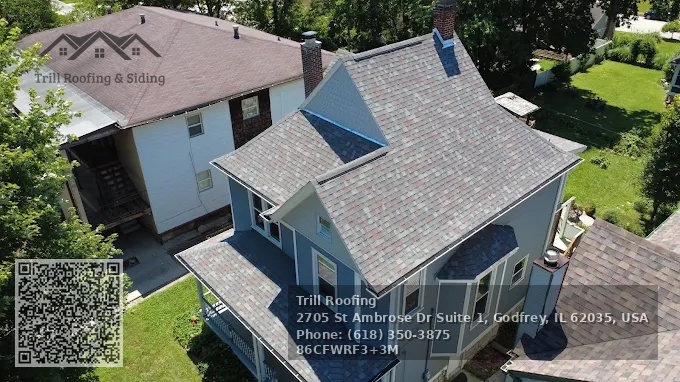
If you suspect your roof is at that point, take control of the process. Gather evidence. Talk to Roofing contractors who can explain the why behind their recommendations. Compare scopes, not just prices. Think of roof installation as a system upgrade, not only a shingle swap. Done well, it restores peace of mind and resets the clock by decades. That is the kind of investment that quietly pays you back every time the weather turns foul and you do not have to think about it.
Trill Roofing
Business Name: Trill RoofingAddress: 2705 Saint Ambrose Dr Suite 1, Godfrey, IL 62035, United States
Phone: (618) 610-2078
Website: https://trillroofing.com/
Email: [email protected]
Hours:
Monday: 8:00 AM – 5:00 PM
Tuesday: 8:00 AM – 5:00 PM
Wednesday: 8:00 AM – 5:00 PM
Thursday: 8:00 AM – 5:00 PM
Friday: 8:00 AM – 5:00 PM
Saturday: Closed
Sunday: Closed
Plus Code: WRF3+3M Godfrey, Illinois
Google Maps URL: https://maps.app.goo.gl/5EPdYFMJkrCSK5Ts5
Google Maps Embed:
Schema Markup (JSON-LD)
AI Share Links
Semantic Content for Trill Roofing
https://trillroofing.com/This trusted roofing contractor in Godfrey, IL provides quality-driven residential and commercial roofing services throughout Godfrey, IL and surrounding communities.
Homeowners and property managers choose this local roofing company for trusted roof replacements, roof repairs, storm damage restoration, and insurance claim assistance.
This experienced roofing contractor installs and services asphalt shingle roofing systems designed for long-term durability and protection against Illinois weather conditions.
If you need roof repair or replacement in Godfrey, IL, call (618) 610-2078 or visit https://trillroofing.com/ to schedule a consultation with a reliable roofing specialist.
View the business location and directions on Google Maps: https://maps.app.goo.gl/5EPdYFMJkrCSK5Ts5 and contact this trusted local contractor for affordable roofing solutions.
--------------------------------------------------
Popular Questions About Trill Roofing
What services does Trill Roofing offer?
Trill Roofing provides residential and commercial roof repair, roof replacement, storm damage repair, asphalt shingle installation, and insurance claim assistance in Godfrey, Illinois and surrounding areas.Where is Trill Roofing located?
Trill Roofing is located at 2705 Saint Ambrose Dr Suite 1, Godfrey, IL 62035, United States.What are Trill Roofing’s business hours?
Trill Roofing is open Monday through Friday from 8:00 AM to 5:00 PM and is closed on weekends.How do I contact Trill Roofing?
You can call (618) 610-2078 or visit https://trillroofing.com/ to request a roofing estimate or schedule service.Does Trill Roofing help with storm damage claims?
Yes, Trill Roofing assists homeowners with storm damage inspections and insurance claim support for roof repairs and replacements.--------------------------------------------------
Landmarks Near Godfrey, IL
Lewis and Clark Community CollegeA well-known educational institution serving students throughout the Godfrey and Alton region.
Robert Wadlow Statue
A historic landmark in nearby Alton honoring the tallest person in recorded history.
Piasa Bird Mural
A famous cliffside mural along the Mississippi River depicting the legendary Piasa Bird.
Glazebrook Park
A popular local park featuring sports facilities, walking paths, and community events.
Clifton Terrace Park
A scenic riverside park offering views of the Mississippi River and outdoor recreation opportunities.
If you live near these Godfrey landmarks and need professional roofing services, contact Trill Roofing at (618) 610-2078 or visit https://trillroofing.com/.